


Lopolight is one of the only companies to develop the world’s first Ex Navigation light for Zone 1
Engineered for hazardous environments where safety, compliance and reliability cannot be compromised. Lopolight navigation lights are designed for offshore vessels, tankers and installations operating in ATEX and IECEx classified areas.
Preventing ignition risks is critical when vessels operate in hazardous environments.


WHY EXPLOSION PROOF
NAVIGATION LIGHTS?
As Sales Manager for North America, David works with offshore operators,
shipyards and integrators across North America. Many of the vessels
I work with operate in hazardous areas where explosive gases or vapours
may be present. In these environments, even something as simple as a
navigation light must be designed and certified to prevent ignition.
"Let me explain why explosion proof navigation lights are essential
for these vessels.
In hazardous maritime environments, every electrical component must be
designed to eliminate ignition risks — including navigation lights.
On vessels operating in hazardous areas such as tankers, offshore support
vessels and gas carriers, the atmosphere around the vessel can contain
flammable vapours. In these environments, even something as simple as
a navigation light must be certified to prevent ignition. Explosion-proof
navigation lights ensure that the vessel remains compliant while maintaining
safe and reliable signalling to other ships.”
— David Heller
Sales Manager, Lopolight USA

“When vessels operate in hazardous areas, the equipment installed on board must meet strict certification requirements. That is why the Lopolight Professional EX Series is formally approved for use in IECEx and ATEX equipment group II, Category 2, Zone 1 — and therefore also Zone 2.
Later, I will explain what the different zones mean and why equipment group II is important when specifying navigation lights for hazardous maritime environments.”

This certification ensures that the navigation lights are designed and tested to prevent ignition risks in environments where explosive gases or vapours may be present.”
Technical reference
Standards: ISO/IEC 80079-34:2020, IEC 60079-18:2015, IEC 60079-7:2015
IECEx certification from the official authorities.
Lopolight approval certificate (PDF):
P23147I-CC IECEx certificate CNEX 23.0011X



CONTROLLED AND MONITORED THROUGH THE LOPOLIGHT NLC SYSTEM
“On most vessels, navigation lights are not installed as standalone components. They are part of a controlled and monitored system on the bridge. This also applies to vessels operating in hazardous areas.
The Lopolight EX Series lights are fully compatible with the Lopolight Navigation Light Control & Monitoring system (NLC). This allows the crew to control the navigation lights directly from the bridge while the system continuously monitors the installation.
If a light should fail, the system immediately alerts the crew, ensuring the vessel remains compliant with navigation light regulations and maintains proper signalling to surrounding traffic.
By combining explosion proof navigation lights with the Lopolight control and monitoring system, operators get a complete navigation light solution designed for both safety and operational reliability.”
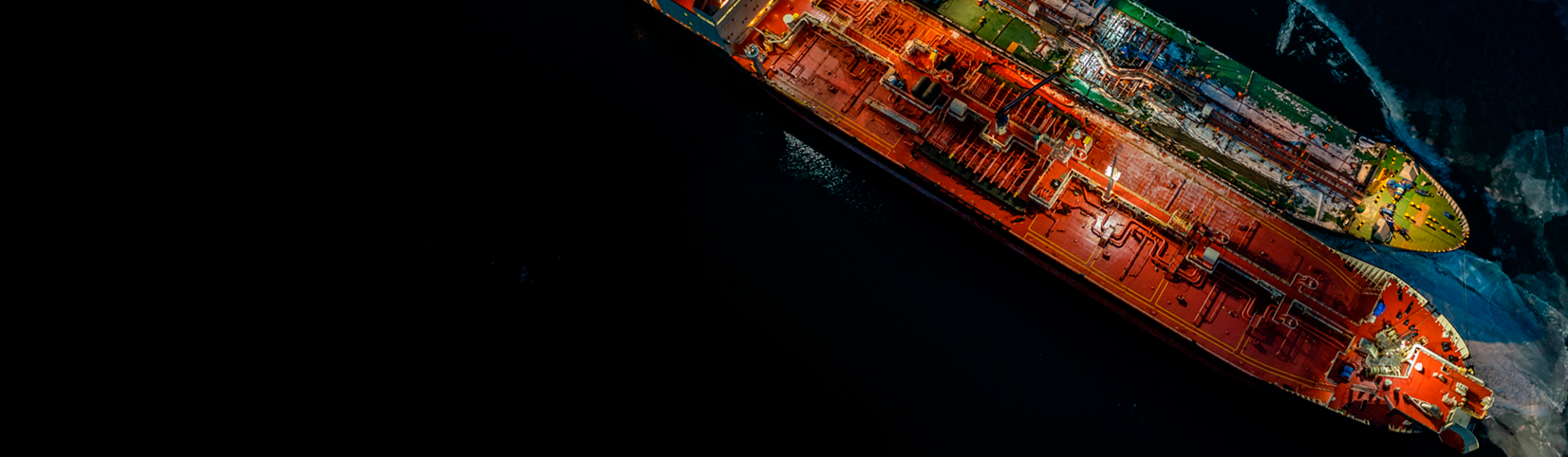
THE NUMBER OF VESSELS WITH AN
IEC EX/ATEX ZONE IS INCREASING RAPIDLY.
Consider the growing fleet of NLG tankers and the associated infrastructure such as tugs, pilot boats and service vessels,
or the hundreds of vessels in build now using NLG, Methanol, Ammonia, and others – all with IEC Ex/ATEX zones.
And then we have all the oil rigs, with their signal lights.

The full range of the Professional Series are available in the EX configuration – including the ice-class lights!
All in need for no-compromise, rugged, fit ‘n forget light solution.
The EX Series lights are fully compatible with the Lopolight Navigation Light Control & Monitoring system.
Labelling/Classification
[Ex]
Explosion protected
[mb]
Encapsulation zone 1
[eb]
Increased safety
[IIB]
Gas group marking
= Ethylene
[T5]
Max surface temp 100 °C
[Gb]
Equipment protection level
THE DIFFERENCE BETWEEN THE MENTIONED ZONES CAN BE DESCRIBED LIKE THIS:
Zone 1 is an area that is classified ‘as a place in which an explosive atmosphere consisting of a mixture with air or flammable substances in the form of gas, vapours and mists is likely to occur occasionally during normal operation’, whereas Zone 2 is an area that is classified ‘as a place in which an explosive atmosphere consisting of a mixture with air or flammable substances in the form of gas, vapours and mists is not likely to occur in normal operation but if it does occur, it will be present for a short period of time only’
ZONE 0. ZONE 1. ZONE 2.
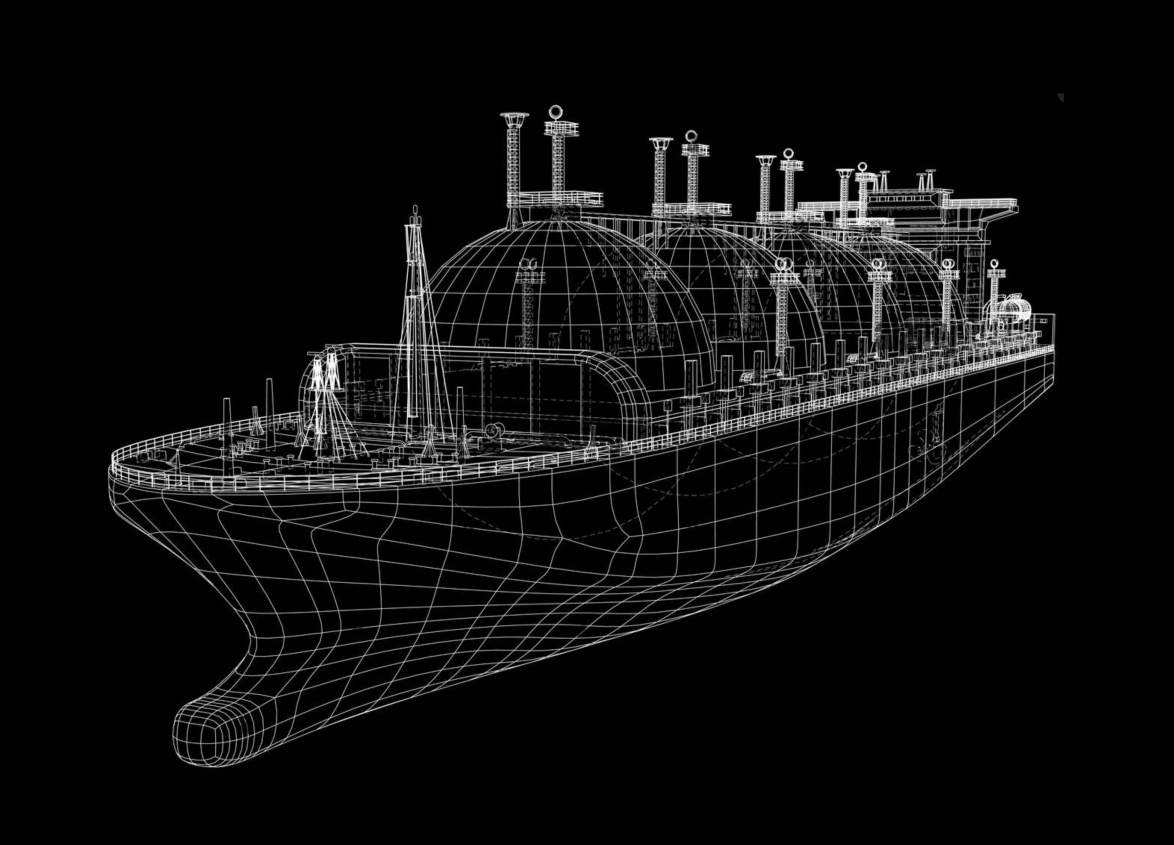
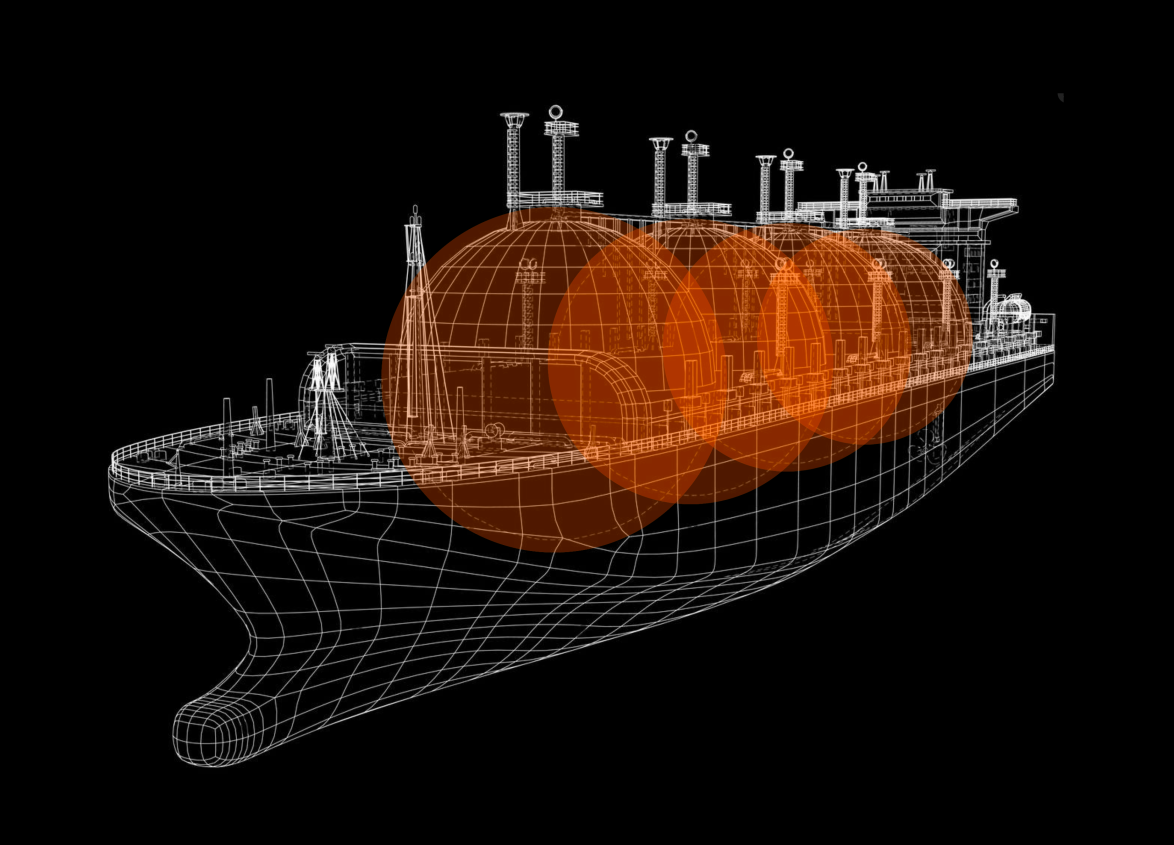
ZONE 0: is an area in which an explosive atmosphere is present continuously for long periods of time or will frequently occur.
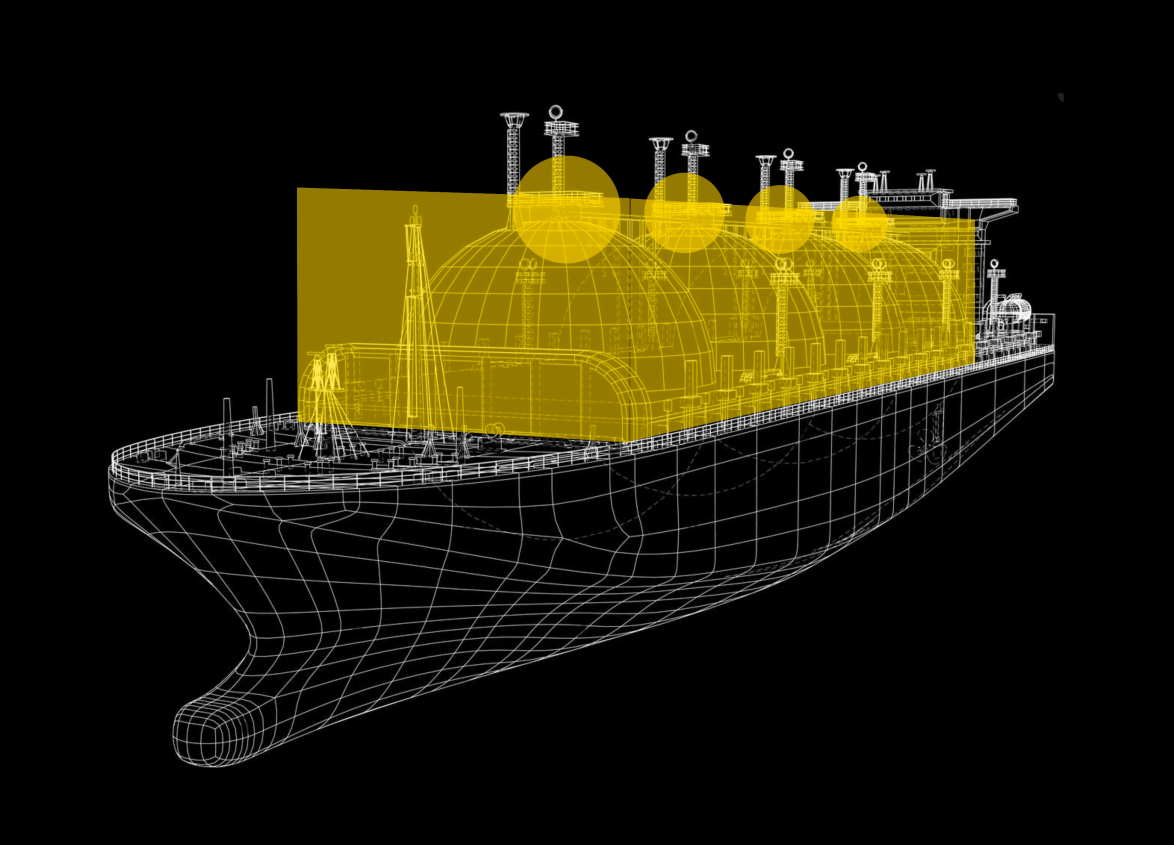
ZONE 1: Hazardous area is classified as a place in which an explosive atmosphere consisting of a mixture with air or flammable substances in the form of gas, vapour or mist is likely to occur in normal operation occasionally
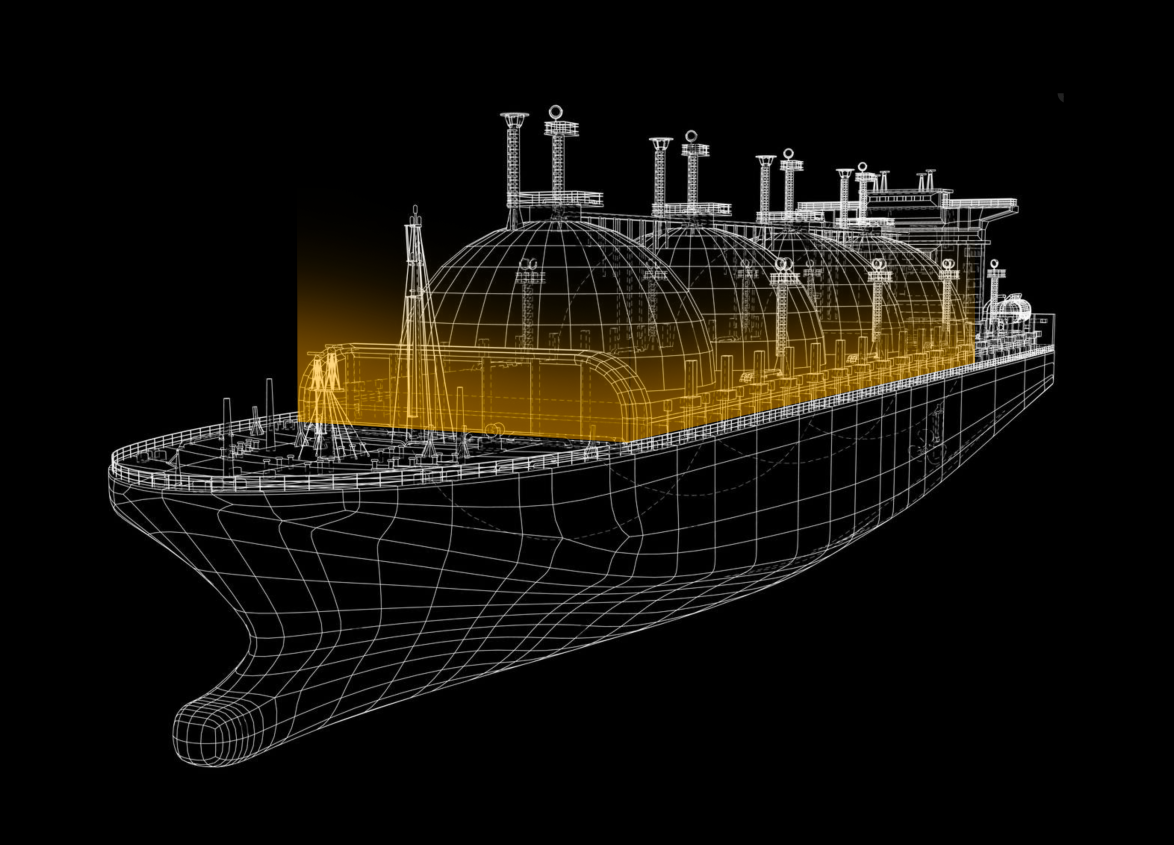
ZONE 2: An area in which an explosive gas atmosphere is not likely to occur in normal operation and, if it occurs, will only exist for a short time.

THE LOPOLIGHT IEC Ex/ATEX SOLUTION
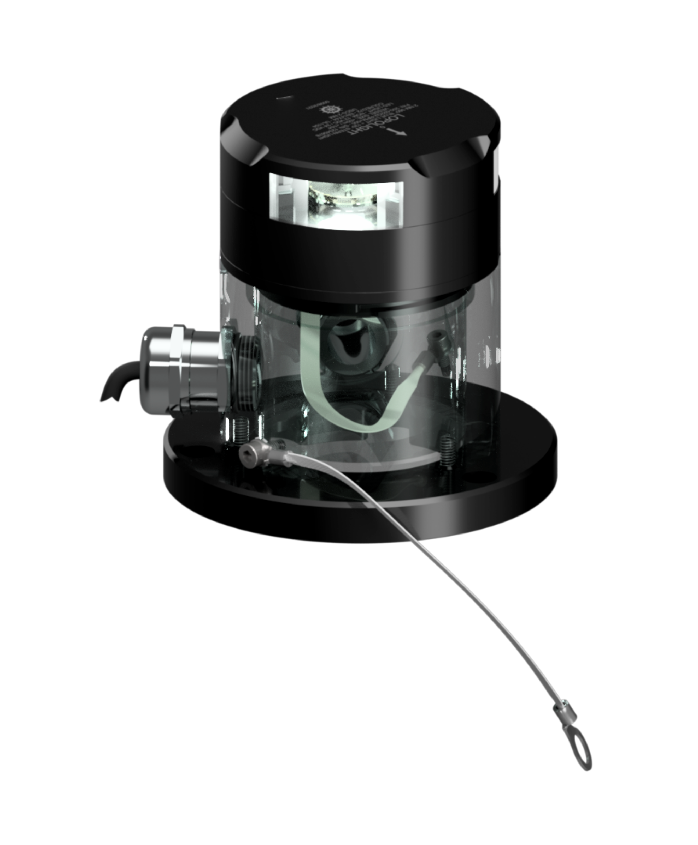
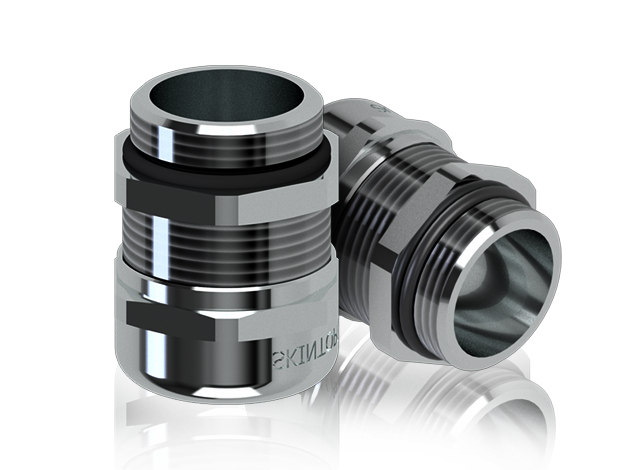
The Professional EX Series lights are kept in the exact same form factor as the regular Professional Series, the difference is in the manufacturing; the use of IEC Ex/ATEX certified components such as connectors and cable glands. The marking is IEC Ex/ATEX specific and there is a grounding strap.